
Click play to listen to a deep dive podcast – like overview of this story. This summary is AI generated, and some elements may be not be accurate.–>

Disclaimer: in this post, I reference asking AI about symptoms, and using it to help me come up with a plan for my next steps. I would like to remind everyone – AI hallucinates, can be incorrect, and isn’t a replacement for a human medical doctor. I also have my own medical team that I consult with regularly, and AI should not be considered an adequate solution to this for anyone experiencing medical symptoms of any kind.
There I was, in the shower, somehow feeling less clean than when I entered. This experience involves one of the most frightening moments I can remember from this year. It might sound dramatic to say that taking a shower was the catalyst for potentially the scariest moment I can remember, and yet it is true.
To understand the context that created this feeling of systemic failure, we first need to go back a few weeks. It involves many areas of my life coming together to create the perfect storm, leading to a feeling of lost dignity and autonomy that I don’t remember experiencing before.
Mondays are now a particularly busy day at work, because they are my only in person day. On this particular Monday, I saw 7. Three of them expressed that they had been sick recently, had others around them that were sick, or they were feeling off.
“It’s that time of the year,” we joked.
When I talked about it at home later that week, my 15 year old daughter could not hide her frustration. “Are you kidding me?! Do they not understand?!? That’s not fair to you at all.”
Her support was sweet, and I appreciated that she was looking out for me. I explained to her that, for the most part, I do not share personal things about my health with clients. The vast majority of them do not know that I have MS or now POTS, and most do not even know I often walk with a cane.
It’s not necessarily that I am embarrassed for them to know, rather I feel it can be a distraction from our work together. This is not the type of therapeutic relationship I want to build with my clients, although at times I struggle with trying to hide my experience.
Between that and being an hourly employee without PTO, I have found that it’s best not to share too much with anyone at work. I have learned that often people seem to want to take care of me, or think I might be less capable when they learn about what I experience on a regular basis.
Yet, the more I heard people discuss their illnesses the stronger the tinge of anxiety in the pit of my stomach became. The infusion that I have every six months has the goal of killing the very immune cells that are vital in killing these contagious viral infections. What used to feel like a minimal risk that may have resulted in a few days of a sore throat, runny nose, and feeling worn out, now has the potential of being very troublesome for me.

By Thursday, which was also Thanksgiving, I noticed feeling very worn out by the time we left my aunt and uncle’s house. At the time, I assumed this was just feeling overwhelmed by the amount of social interaction I had. Although I love to socialize, and I am very close with my family, my body does not have as much stamina as it once did.
Gravity is now my body’s enemy. The longer I am upright, the less blood gets to my brain, making me have symptoms like “gray outs,” where everything goes black when I stand up, my face gets hot, I get sweaty, and feel overall pretty miserable.
As the weekend progressed, I noticed less and less energy, nausea, and overall just feeling crummy. By Saturday afternoon, I knew something wasn’t right.
I had the symptoms of a fever without a high temperature. Very odd dreams, muscle aches, this migraine on the left side of my head (that I have had on and off for over a year) was becoming more extreme as the day progressed. It was affecting my vision, and I noticed myself trying to blink away the bluriness, and even with my eyes closed everything looked red.
I have a standing Sunday coffee date with a friend who also has MS. Sundays have become a cherished protected time, because being able to share honestly with someone that just “gets it,” is invaluable. I wasn’t sure if I had a contagious illness, but I didn’t want to expose her to it if I did. Sending the message that I thought I would need to cancel was heartbreaking.
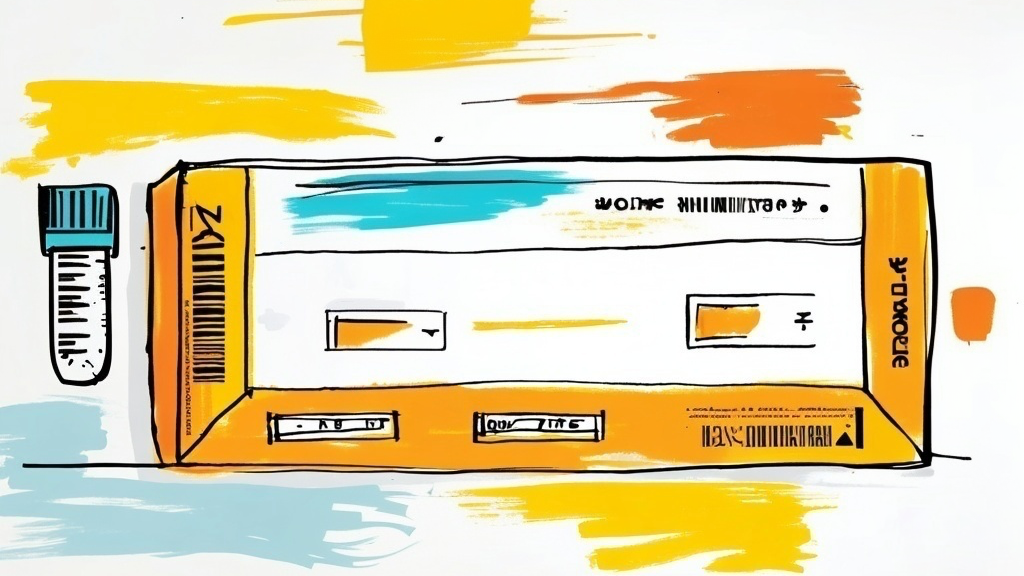
It got to the point that I literally could not sleep enough. On Sunday, when it was 11am and I still had not gotten out of bed because I was so tired, I decided to take a COVID / flu test. Jared and I agreed that this did not seem like the flu, or COVID. Maybe it was more likely that a cold was just hitting me really hard because of the constant battle my body was fighting all the time.
Nope. I had COVID. Almost instantly the line lit up.
Then the fear and reality started to sink in. Not only was I afraid of how my body would cope with this, but I was starting to remember how lonely COVID was the last few times I had it, and the squeeze of my lack of PTO never felt more real.
For years I would often choose to “just go in,” even when I wasn’t feeling great. When I worked at Coors, as a tour guide, I remember going in even without a voice, which now seems a little silly. I literally couldn’t do my job, but I would go in anyway.
Even now, I have noticed it is rare for me to feel “great,” so if I don’t think my experience is contagious or will impact my work, the money for my family was a motivating factor to push through. I have started to question if this is the only way. Not only was I potentially putting others at risk if my illness was contagious, but I was also choosing to use all of my energy for work, leaving nothing for my family when I got home.
I’m not sure when this change happened for me, but I have begun to value my time, and keeping others healthy, over being productive. This situation was one example of how easily our priorities can get in the way of thinking clearly, or considering how we might inadvertently cause harm to others.
This experience with COVID was actually much less serious than any other times I have had it. The last time, I couldn’t breathe, and my O2 was often in the 70s when I checked it, my body felt so tired and heavy I could barely move. This time was different though, because as I had feared the MS and POTS symptoms intensified. Even now, I am not sure I have fully returned to my previous baseline.
It was a not so subtle reminder how challenging it is to have both MS and POTS at the same time. They are on different timelines, almost opposite leaving me very little “productive time” throughout the day when I can struggle through trying to feel as normal as possible.
In the morning, right when I wake up, POTS symptoms are the worst because of reduced blood volume overnight leading to struggling with “normal” tasks. AKA standing, brushing teeth, getting dressed… you know common morning activities.
The way this looks in reality, is near blackouts or dizziness when standing, a racing heart rate, brain fog, and extreme fatigue. Then, throughout the day, after taking medicine (including salt pills) and drinking lots of water, I hope that these symptoms start to ease ever so slightly.
The unfortunate reality for me is that MS symptoms have the opposite timeline. Symptoms are the least noticeable upon waking, and then sometimes not so slowly increase throughout the day. By the time I am going to bed, I often need Jared’s help to get up the stairs.

Maddy, our 10 year old, summarized it pretty clearly. “Your body sure isn’t doing you any favors, is it?”
The truth is, no. It’s not. This leaves me a few hours a day (If I’m lucky,) often between 10am – 2pm as my best hope for getting things done. Unfortunately, I have a full time job, adult expectations, and parenting every day, and none of these can be fully completed in this small window.
One of the areas of my life I have seen the biggest impact is self care and bathing. I used to love showers. It was like a pause or reset in the day. Bubble baths were often one of my favorite self care activities. We have a giant bath tub, and some days I could literally soak there for an hour or more.
Not anymore.
I actually desperately want to be clean, and worry others will learn my “dirty” secret. Now, I use dry shampoo, and baby wipes to try to give the illusion that I am clean, and hope that I smell okay when I am around others.
A place that POTS and MS seem to work together to make my daily struggle almost unbearable is heat causing symptoms to intensify. This means I need to limit my time I am up, and have lukewarm or borderline cold water, and use adaptive equipment like a shower chair. Even with all of these adaptations, the struggle is not completely removed.
By the time my symptoms of COVID seemed to be on the mend, Jared began his unfortunate descent into sickness. My five days of Paxlovid were over, and I felt grosser than ever. I had the day off, which meant I knew I had the time for the necessary recovery period after a shower. Who even knows how long it had been since I had showered, and I felt prepared.
I was not.
The fatigue that COVID, MS, and POTS all cause had an exponential process on me, and I was not sure I would have time to have a full shower. No matter how badly I wanted to, and knew I needed. I had to determine what my bathing plan was, and decided I would only wash my hair this time. At first things seemed to be going fine, and I started to feel silly for avoiding being clean for so long.
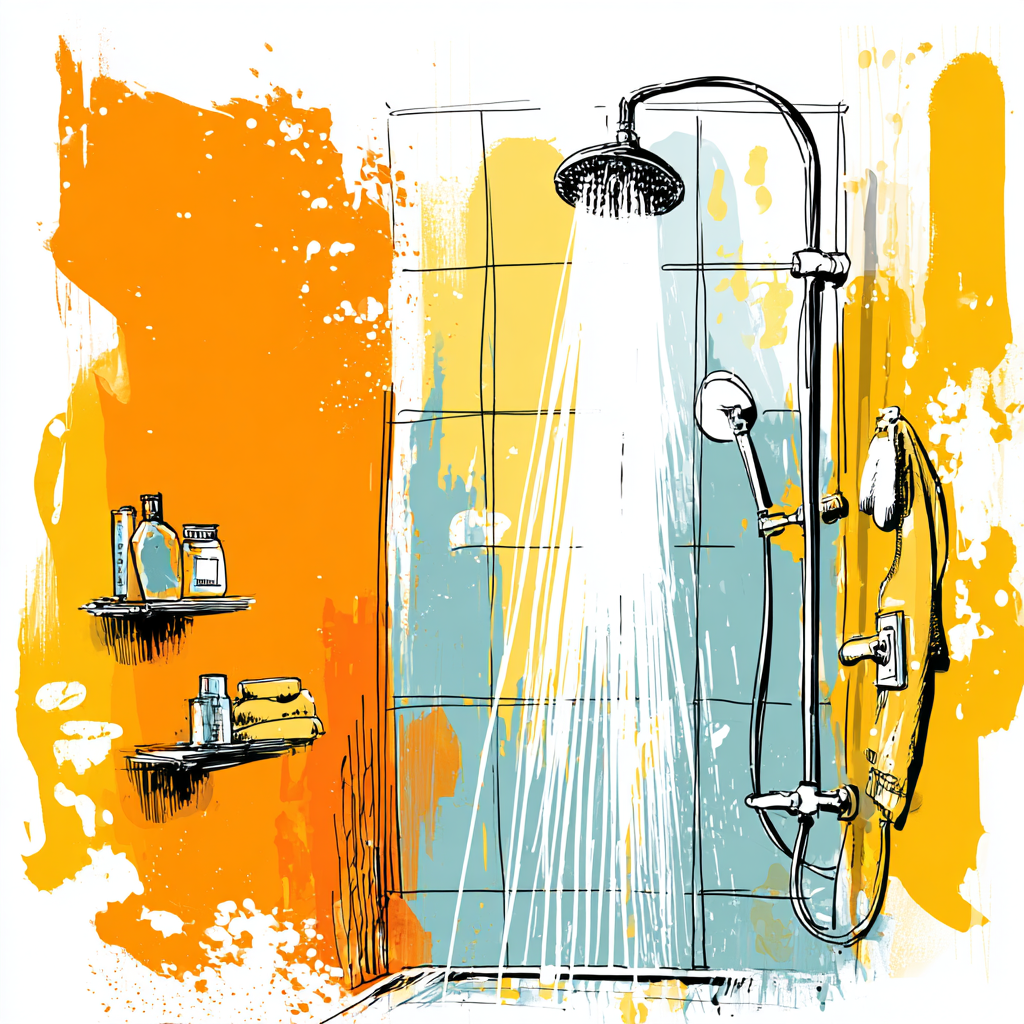
Then, it started. The progression of symptoms that seemed to happen when I was up for too long. It’s been hard for me to track, because how “up” and “too long” are defined seem to be evermoving targets. Yet, I notice the telltale signs of failure beginning.
It starts with a squeezing feeling around my ribcage, which leaves me feeling out of breath. Then, I can feel my heart racing, and numbness starts or increases by moving up my limbs. Nausea is the next step.
COVID caused the nausea to get worse, and I actually began to heave, and eventually throwing up if I was unable to lay down with my feet up. Both times, this happened in the morning, shortly after I took my fistful of morning medications, which unsurprisingly tasted terrible coming back up.
I used the shower chair the whole time, limited my movements, and even kept the water cold. Yet here I was, heaving in the shower. I thought to myself “Just rinse it and get out of here.”
But, I was too late. Now I was vomiting, in the shower, and all over myself. I felt completely out of control, and I was starting to be afraid of what would happen next. All of the sudden this shower felt like a dangerous place. I was trying to take breaths between heaves and planning a way to quickly rinse the vomit off of my body, and escape this steam prison.
“Okay, you’re okay. Turn off the water. Fall onto the rug. Put your legs up on the sink.”
I would not be able to make it farther than that, and now I was just hoping I could prevent passing out. My phone was charging next to the bed. Somehow, this room suddenly felt miles long, and I still could not stop throwing up.
I felt so gross.
Eventually, I stopped vomiting, pulled myself up, and walked as quickly as I felt I safely could to my bed. Like I suspected, my vision was black again, and the heaving restarted. I flopped onto the bed, piled all of the pillows I could reach under my feet, closed my eyes, and hoped things would improve.
Luckily, they did. As I laid there, with my feet as high as they could go and my arms and legs tingling, I was confused about what just happened. It didn’t feel real.
Then, images of what the shower must look like filled my head. “I’m going to have to find a way to take care of that.” I also knew I needed to at least feel one of my arms before I could do that.
It took three passes to clean the shower, but I blame my nervous system more than the mess for that, because it wasn’t really that bad. My body just could not handle being up long enough to clean it all in one go. I left the bathroom smelling like bleach, and started to question what was happening to me.
It almost felt like COVID started a domino effect right at the time of “recovery.” Now, a few weeks later, my husband, and my clients that were sick seem to be feeling totally better, but I’m not. A lot of things actually feel worse.
This did not feel like a normal conversation to have with a doctor. “My COVID symptoms have stopped, but I’m feeling worse?” The week before I sent a message to all of my doctors letting them know I had the virus, and asked if they had any extra precautions or advice for me.
They didn’t. Most of the things they suggested were either outdated from the CDC, or just not feasible. The nurse from my PCP’s office suggested taking a hot steamy shower. To be fair, this is something I have done in the past, and it was helpful.

I think this is another giraffe moment. “Normal” was not going to cut it for me, and I needed a different solution. So, I decided to ask Gemini my AI “Dr. G” if this was even possible, and it turns out it was.
So, feeling more helpless than ever, I asked what I could do to cope with this. I knew that I could not go to work heaving, driving like that seemed unsafe. My family also cannot afford for me to call out until I was feeling better, considering it had already lasted weeks, and I was unsure if it would ever get better. There’s also the concern of throwing up my medications every morning… they aren’t very effective that way.
Dr. G helped me set up a plan. She showed me a table of my medications, and it looked like in 30-60 minutes, most of my meds should have had enough time to be effective, even if I do throw up. The suggestion was to wake up at least an hour before actually getting out of bed, take medicine, lay there to let the medicine digest, and let my body hydrate which should increase the blood volume in my system.
Even better, get my feet up and put on compression garments to further encourage that blood to move closer to my heart.
So that’s what I do. My morning routine starts with an hour of digesting medicine, and trying to drink as much water as I can, with my feet up, and struggle to pull abdominal and leg compression on my body.
This requires a lot of energy, and cuts into the already limited time window I was already working with. Even before getting out of bed, I already feel out of energy, and ready for bed. Let’s just say, this is not an ideal way to start the day.
But, it’s way better than throwing up.
I think Maddy summarized it pretty clearly, my body is really not doing me any favors. I suppose that leaves it up to me. Taking control of a seemingly out of control situation has helped me feel more empowered, even if just the smallest amount and the goal posts seem to be ever moving.
“Self care is not selfish.” we’ve all heard it, but what does that mean? For me, this fairly odd new morning routine is a new form of self care. I am learning chronic illness, parenthood, or even just being human is not a destination. It’s not like a checklist that you can mark off once you’ve completed it. The process changes, often right when you think you understand the made up rules.
The goal, then, may be to find a way to accept the need to adjust. Find the elements that aren’t working, and be willing to try something else. No matter how much we didn’t imagine our life going this way, we have a choice.
Adapt, or die. I’m not willing to give up, so I will find a way to adapt.
In the past I have put a lot of hope and assurance into tests, doctors, and the medical field. I have learned that’s not always my best option. Sometimes, I am better served by finding a plan I can manage. Maybe there isn’t going to be a solution, because these illnesses do not have a cure. Even the doctors I have tried to rely on are unsure what to make of what’s happening.
At the same time, I have learned that redefining what a win looks like, is not only harder than it sounds, but also does not come without a cost.
Determining with who and how I can discuss the medical issues that are happening regularly can lead to loneliness. Choosing to call into work, knowing I’m losing pay for the day, to allow myself some peace creates a weight I carry because I worry about affording our life. Having a ridiculous routine in the morning that takes an even bigger chunk out of my already limited time and energy budget with hopes of surviving, or replacing self-care that now makes me feel sick, with something I can manage takes a lot of executive functioning and brain power I don’t always have readily available.
Self care used to be a moment to recharge, and create space to manage the stress of day to day. Now, my focus has shifted to survival. I’m not looking for perfection anymore. For me, this is self care. Limiting my expectations of the outcome lends itself to less disappointment, and allows me to accept “good enough.”