

Click play to listen to a deep dive podcast – like overview of this story. This summary is AI generated, and some elements may be not be accurate.–>
Strategic Success Is The Kindest Path

The Conflict of the Capable Driver
For most of my life, I was The Driver. That was my role—literally, the person with the keys, the one in control, the capable, steady leader in every situation. I am the oldest, and growing up it started to feel like that was who I was meant to be. In high school, I took everyone where they needed to go. Even in college, my car seemed to be the “family car” for excursions.
— I have a story about what my mom calls “bad friends,” leaving me in Utah after this car broke down, but that’s for another time. —
In 2024, Multiple Sclerosis (MS) began to rewrite the rules, that shattered my identity. My vision changed, my energy vanished, and suddenly, I was afraid I wouldn’t be able to perform these tasks like I used to. Let me rephrase… I was failing at performing these tasks the way I used to.
This was new to me. I was not used to relying on others for daily functioning, and honestly I wasn’t really sure how to do it.
Chronic illness is a game of lessons. Some are more subtle than others, but it’s constantly throwing messages and insights at me. I realised pretty quickly, the cards we are dealt cannot be changed.
Growing up we played a lot of card games, but we had one particular family card game that was played the most: Rook. Turns out, my whole life playing this game I realised we don’t actually play the way the directions tell you to play. I suppose we have “Lichti Rules.” We all had been taught at a young age how to play, and never read the rules.
My grandpa was the best at this game. Maybe because he played it for 70+ years longer than I had, but I think his unique set of skills matched the game perfectly. There was a rule for a “redeal,” and I only remember it happening one time in the decades of playing with him.
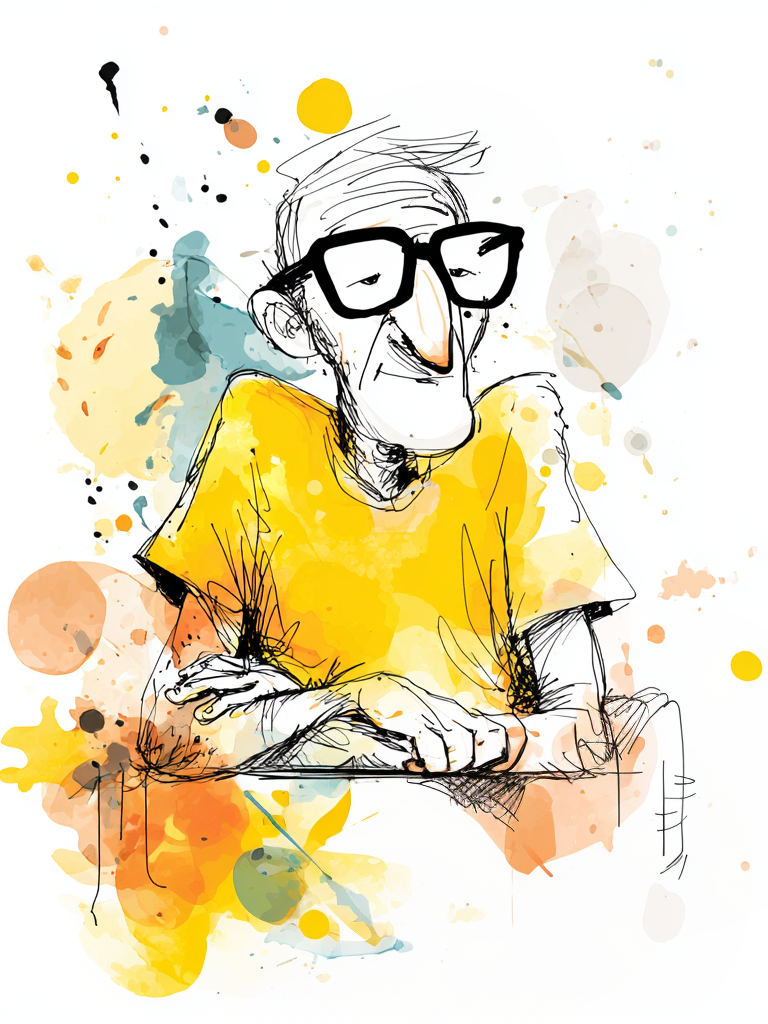
At a family reunion one night, the cards were handed out, everyone picked up their cards and, quietly, inspected their cards. We went around, and started bidding. 120 seemed to be a typical bid for this game, and we got there pretty quickly, then past it. There were some good hands.
Then, as the winner of the bid started to pick up the kitty, Grandpa laid his cards down, face up, and said, “redeal.” The groans from the table were palpable. We all had good hands. I remember the half smile he had, feeling good about the whole scenario.
Unfortunately, this is not how life works. I can’t swap out MS for a healthier hand. Trust me, if I could, that would’ve already happened.
The only path forward is to realize that the cards don’t matter as much as modifying the game. Maybe this is similar to the “Lichti rules” of Rook. We didn’t play it according to the written directions, we played it our way. Possibly this makes it easier for me to consider if I can do the same in life.
Since I was little, I have felt connected to the forgotten, the underdogs, the dismissed. My high school was the “bad one” in Arvada, and often when I met people they would try to correct me when I told them where I went. “You mean A-West?”
I didn’t. Our mascot wasn’t even a real mascot. The name was changed to Reds to be less offensive the year before I got there, and we got to vote for a bulldog added, because nobody knew was a Red was. Even as I am writing this, I am wearing a Pluto shirt. (I’ll never forget you Pluto. You’re still a planet in my heart.)
Often, even things that seem to go smoothly for others have been a total mess for me. When we talk about it, I can’t see anything that I did differently, but it just doesn’t go without a hitch. Deep down, choosing the “easier path” to success almost feels like a betrayal, like I’m doing something wrong.
My effort to modify the game is teaching me that strategic success isn’t about giving up the fight; it’s about choosing the battlefield wisely. It’s about finding acceptance in a world that often only offers accommodation. I am incredibly lucky to have a strong support system helping me through this intense rollercoaster.
Accommodation vs. Acceptance
I realized I wasn’t just fighting for accommodation; I was actually fighting for acceptance—the fundamental acknowledgement that my reality is real. The systems in my life have provided me with wildly different responses to my needs recently.
Late last week, my new cardiologist surprised me with what I considered the gold standard of professional acceptance. After waiting months for an appointment and hearing doctor after doctor say, “I don’t really treat that. You should see a cardiologist,” she asked about my symptoms.
I felt surprisigly unprepared, and rattled off a long list, hoping that I didn’t sound too needy or wimpy. She sat across from me, nodding along. Then, she said the words that literally brought tears to my eyes:
“You’re not making it up,”
“this is real,” and
“You did nothing wrong for this to happen.”
How she knew I needed those words, I am unsure, but I felt seen, accepted, and finally, validated—like I had a teammate instead of a battle to win. Throughout my entire life I can count the times I’ve felt this way in a doctor’s office on one hand.
At the same time, I was also bombarded with the other end of the spectrum: bureaucracy. If you’ve been keeping up with the IRS saga, there was an update last week, and it went about how you can assume.
They have been holding our tax refund for eight months now, sending letters every few months stating, “give us 60 more days,” and the phone calls resulted with “you’re going to just have to wait.”
They sent a new letter. It feels like a ransom note: “Prove your employment and income from 2024 by December 13th to release the money.” They already have the W2s, yet they demand we go through the steps to confirm what they have listed is true. That’s ridiculous.
Demanding that I spend precious, migraine-stolen energy chasing paperwork from two employers on a tight deadline, then tell me they need 60 days to process it. This is not assistance; this is the pure exhaustion of a system built to grind you down and demand proof before releasing what is rightfully yours.
My conversation at work felt similar. When I stepped down from my role and asked to be part-time and work from home ¾ of the days due to my health, my boss was receptive. I “should” have been happy. My clients will tell you, I am a broken record. I tell them: “Don’t should on yourself,” and “shoulds are not based in reality.”
The compromise didn’t feel exciting because my needs were accommodated (a logistical checkbox), but not accepted (a full, empathetic validation of my changing reality). I felt unseen and like a burden.

The simple need to be seen is so human it extends to our pets. Charlie has been acting strange lately. She meows nervously, especially in the morning when she is unsure where I am. I don’t get annoyed or frustrated. I simply talk to her, responding with words and a tone that say I hear you and understand you, and you are safe.
Usually pretty quickly, she settles down, lays on my chest, and purrs. It’s a quiet, intuitive act of validation. The greatest fear is being denied that validation, which is why the cardiologist’s words were so powerful. Without that official acknowledgment, you are left to fight alone.
The Blueprint for Modification: Strategic Success
If acceptance is the key, then strategic modification is the blueprint.
My husband, Jared, is a brilliant example of this. Growing up, he struggled in school and felt bullied because he couldn’t see well. Everything was a battle. His public elementary school did some things to accommodate his vision challenges, but he did not feel accepted.
Everything changed when he went to the Oklahoma School for the Blind. They didn’t try to change his cards; they simply gave him the tools and the environment where his reality was the norm. Actually, his vision was often better then his peers there.

Now, he works as a software developer, but I still call him an indoor engineer because I’m not clear what he actually does. It just has a ring to it. He is the go-to person on his team for problem solving and customer concerns. He achieved Strategic Success—a success that acknowledges reality and wisely conserves energy, rather than fighting unsuitable expectations.
Another skill he has acquired is navigating public transportation. I used to be terrified of taking the train downtown, and usually felt like taking the bus was a hassle. I was a driver, afterall. He knows the ways of RTD, and confidently pulls (or pushes when I’m in the chair) me along with him.
He has a graceful way of showing me it is possible to be successful, happy, and accepted even if you don’t “fit the mold.”
This is the excitement behind my decision to start a private practice. The new system is built for my reality. I don’t have to fight to be seen or justify my chronic illness; for them, virtual practice is simply “normal.” I get to build a solid foundation where my needs are accepted, not merely accommodated.
The High Cost of Performative Capability
My current workplace is in an old building—leaky, with no automatic doors. The daily act of functioning required a massive energy tax. The “capability dance”—juggling the cane, coffee, and bottle while trying to wrestle open a heavy door—is exhausting.
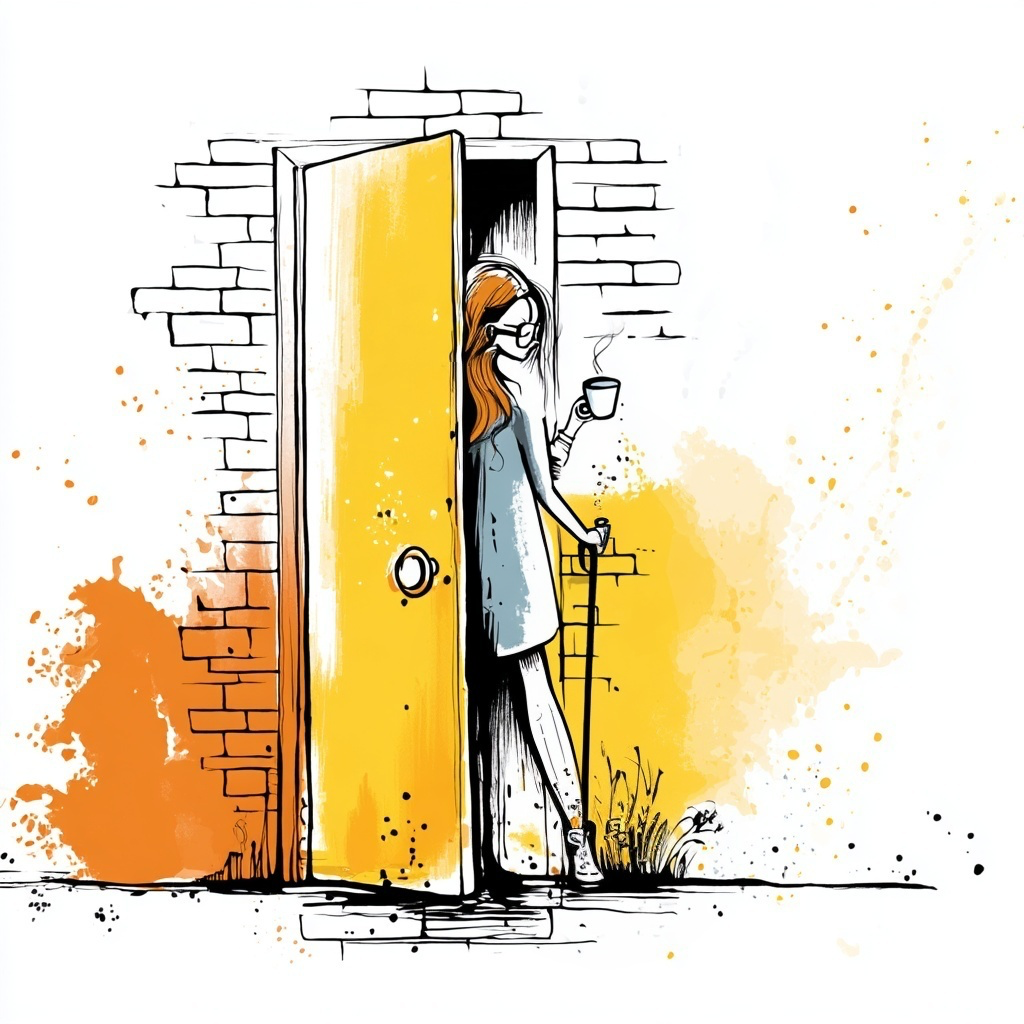
The feeling of being capable in that hostile environment was almost addictive, but it was consuming the finite energy I needed to manage my MS and chronic health issues. Yet, it also almost felt like a mission. Maybe I was “supposed” to show everyone, and myself, that I could do it!
My decision to plan my departure from that environment wasn’t abandoning the “underdog” (the old building or the forgotten parts of me). It is a strategic choice. I’m learning that resilience is not about enduring the unendurable. It’s the wisdom to choose the easier path to preserve energy for the battles that truly matter
I have my fair deal of these battles—like dealing with my ongoing migraine (we’re at 3 weeks straight now,) or the terrifying reality that my MS medication was quoted to a patient at $40,000 a month if their insurance didn’t approve it. We just changed our insurance to try to use money more wisely, and are not completely sure what that will look like next year.
I cannot afford to waste energy performing capability for a leaky, bureaucratic system when the financial and medical stakes are so high. Much less be a mom, and a wife, and look for a house with less than 28 stairs between me and the washing machine. (Ask me how I know…)
My brain is busy. My body is tired, so I am choosing strategic success to protect my most critical asset: my energy.
Conclusion: Radical Acceptance Unlocks the Game
My latest medical victory proved the point: the reality of the problem must be acknowledged before the game can be modified. I won one battle for medical acceptance, but the fight for external acceptance from the IRS and other unyielding systems continues, reinforcing why Strategic Success is essential.
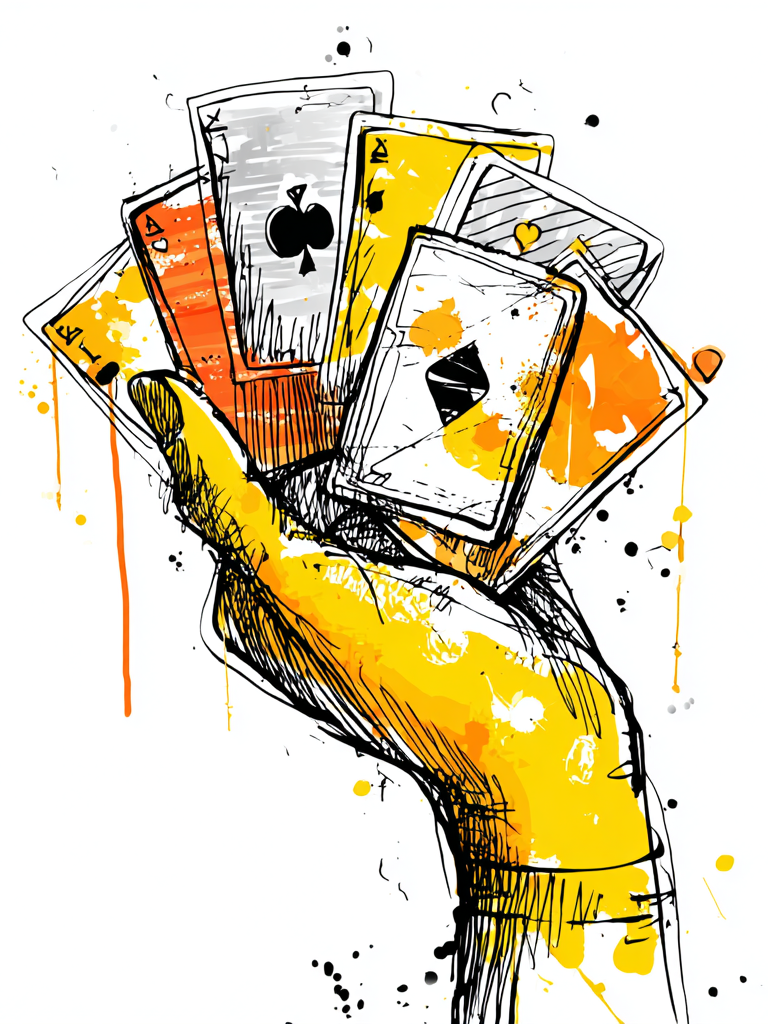
I’m riding a wave of relief from the cardiologist, tempered by the anxiety of the next challenges. As my husband wisely reminded me, the fight for consistent support is often ongoing. But the critical first step is done: the cards are accepted. Possibly most importantly by me.
True resilience is the wisdom to redirect your energy. It is recognizing where you are being worn down by performing capability for a hostile system versus where you need to build strength through self-care, and strategic success.
My question to you is this: Where might you be failing to give the acceptance and validation that even a purring cat seems to understand intuitively? For me, accepting my own limitations continues to be the hardest challenge, but achieving that acceptance feels like the first true step in building a life where I can thrive.